
Wood machinery plays a pivotal role in producing architectural woodwork, combining precision and efficiency to craft intricate designs and functional elements. This article explores how maquinaria para madera can be leveraged to create high-quality, custom woodwork for architectural projects. It also delves into the benefits and applications of these machines, providing insights into their capabilities and advantages.
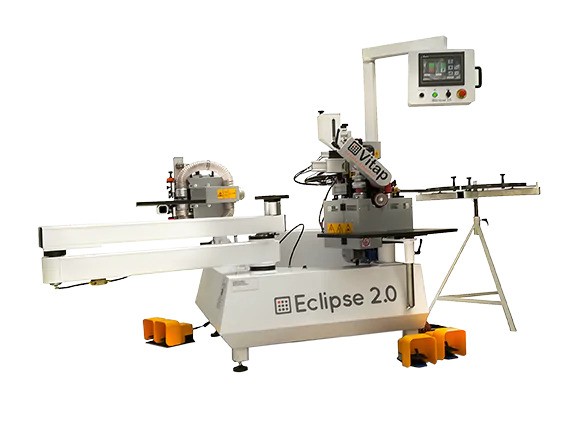
Benefits of Using Wood Machinery for Custom Architectural Woodwork
Enhanced Precision and Consistency
One of the primary advantages of using wood machinery is the consistent output it provides. Machines can be programmed to produce components with exact measurements, reducing discrepancies. This level of precision ensures that the final product fits perfectly within the architectural design.
Moreover, machinery allows for the replication of intricate details across multiple pieces. This capability is especially beneficial for projects that require a uniform aesthetic, such as stair railings, wall paneling, or decorative trim.
Efficiency and Time-Saving
Manual woodworking, while skillful, is time-intensive. Wood machinery accelerates the process by automating tasks like cutting, shaping, and sanding. For instance, a planer can quickly smooth large wooden surfaces, and a table saw can cut multiple boards to size in a fraction of the time it would take manually.
This efficiency is particularly valuable for projects with tight deadlines. Whether working on residential interiors or commercial spaces, machinery helps to meet project timelines without sacrificing quality.
Versatility in Materials and Designs
Modern maquinaria para madera is designed to work with a variety of wood types, including hardwoods, softwoods, and engineered wood products. This versatility allows for creative freedom in architectural projects, enabling the creation of components that suit different styles and functional requirements.
Additionally, advanced machinery can produce designs that range from traditional to contemporary. From simple geometric patterns to highly detailed carvings, the possibilities are virtually limitless.
Applications of Wood Machinery in Architectural Projects
Custom Cabinetry and Furniture
Cabinetry and furniture often serve as focal points in architectural interiors. Wood machinery ensures that these elements are both aesthetically pleasing and functional. CNC machines, for example, can carve intricate door panels or produce perfectly aligned joints, resulting in cabinetry that enhances the overall design of a space.
Decorative Moldings and Trims
Decorative moldings and trims add character to architectural spaces. Wood machinery enables the creation of detailed profiles, such as crown moldings or baseboards, with exceptional accuracy. These machines also allow for the customization of designs, helping architects and designers achieve their vision.
Wall Paneling and Ceiling Features
Wood paneling and ceiling features can transform the appearance of interiors, adding texture and warmth. Machinery simplifies the production of these elements, ensuring uniformity in size and shape. This precision contributes to a polished, cohesive look in the final installation.
Staircases and Railings
Staircases and railings often require a blend of strength and aesthetic appeal. Wood machinery facilitates the production of curved handrails, decorative balusters, and treads with precision. These components not only provide structural support but also enhance the visual appeal of the staircase.
Conclusion
Wood machinery has revolutionized the creation of architectural woodwork by providing precision, efficiency, and versatility. From custom cabinetry to intricate moldings, these machines enable artisans and businesses to produce high-quality components that meet the demands of modern architectural projects. While the initial investment may be considerable, the long-term benefits make it a valuable asset for those involved in woodworking and construction. By leveraging maquinaria para madera, it is possible to achieve impressive results that stand the test of time.
 Art for Tech
Leave a comment